Unraveling the Mystery: What is "Hoe Heet De Profetie Betreffende De Ondergang Van De Wereld"?
The human fascination with the end of days is as old as civilization itself. Across cultures, religions, and even scientific discourse, the question of how it all might conclude has captivated minds for millennia. If you've ever found yourself pondering this profound query, perhaps even searching for specific prophecies, you might have come across the Dutch phrase, "Hoe Heet De Profetie Betreffende De Ondergang Van De Wereld." This translates directly to,
"What is the prophecy concerning the demise of the world?"
While there isn't one singular, universally recognized prophecy known by this exact Dutch name globally, the very essence of this search term encapsulates a deep, shared human curiosity. It speaks to a fundamental desire to understand the future, to find meaning in chaos, and to prepare for the unknown. This article will delve into the rich tapestry of beliefs surrounding the end of the world, distinguishing between ancient myths, observable facts, and the enduring power of these prophecies on our collective consciousness. From biblical narratives to scientific predictions, we’ll explore the diverse ways humanity has envisioned its ultimate fate, providing valuable insights and practical perspectives. For a broader perspective on this fascinating topic, you might also find our article
What Is the Prophecy of the World's End? A Deep Dive particularly illuminating.
Myths vs. Facts: Decoding Doomsday Scenarios Across History
The journey to understand "Hoe Heet De Profetie Betreffende De Ondergang Van De Wereld" invariably leads us through a maze of myths and factual considerations. It’s crucial to differentiate between ancient tales, religious texts, and verifiable scientific observations.
Ancient Myths and Religious Beliefs
Throughout history, various cultures and religions have articulated their own versions of the world's end, often steeped in allegory and spiritual significance. These are typically prophecies, divine revelations, or cyclical understandings of time:
*
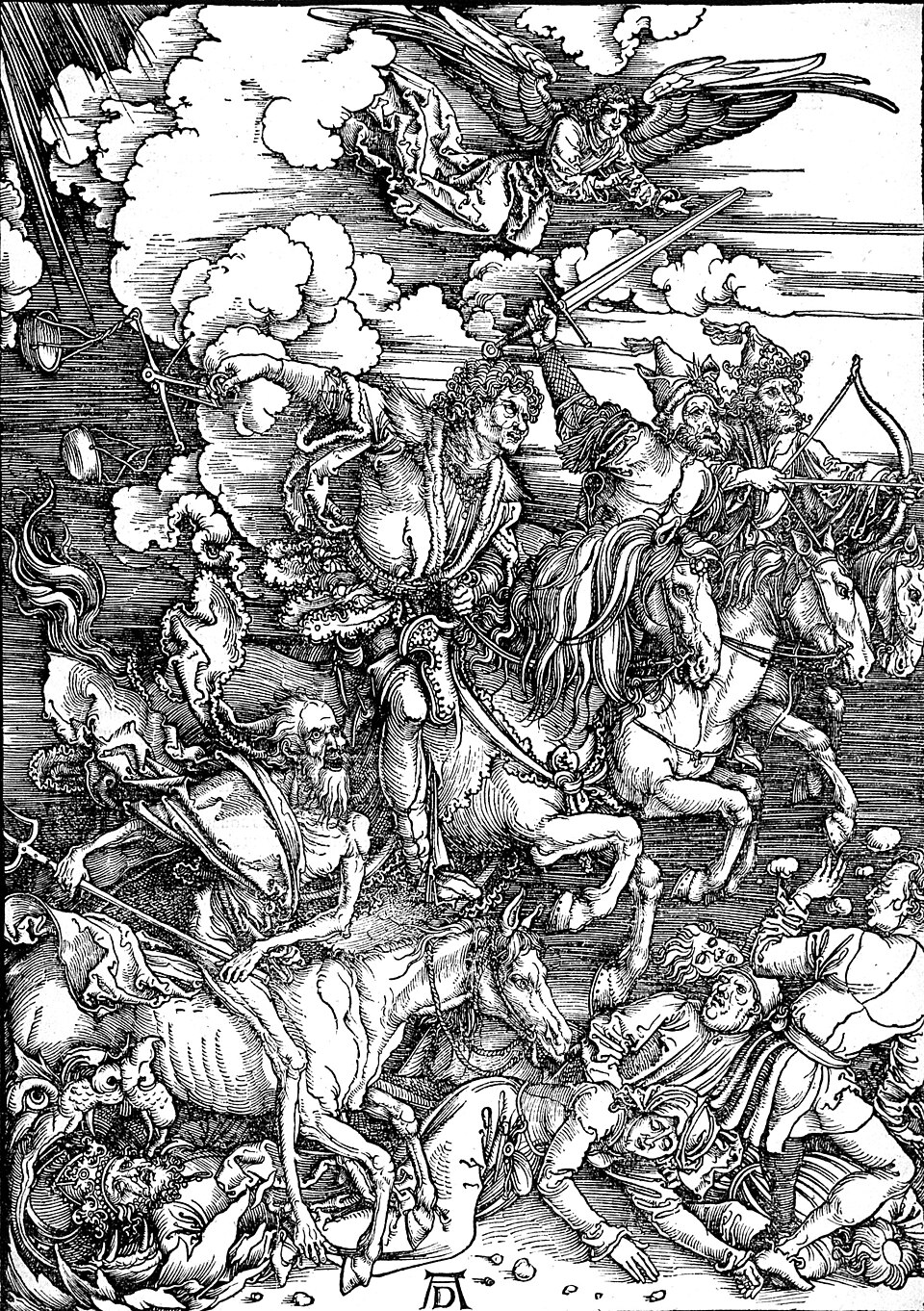
Christianity: The Book of Revelation
Perhaps one of the most widely known apocalyptic narratives, Revelation describes a series of catastrophic events, the rise of the Antichrist, the Battle of Armageddon, and ultimately, the Second Coming of Christ and the establishment of a new heaven and new earth. These prophecies are often interpreted symbolically, though some believe in a literal fulfillment.
*
Norse Mythology: Ragnarök
The "Twilight of the Gods" describes a cosmic battle leading to the death of major deities like Odin and Thor, the submergence of the world in water, and its eventual rebirth. It's a cyclical view of destruction and renewal.
*
Hinduism: Kali Yuga
Hindu cosmology posits a cyclical existence of four yugas (epochs). We are currently in the Kali Yuga, an age of moral decay and spiritual darkness, which will culminate in the destruction and renewal of the universe, often led by the tenth avatar of Vishnu, Kalki.
*
Mayan Calendar Misinterpretations
The widely publicized "2012 apocalypse" was a classic example of a cultural calendar being misinterpreted as a prophecy of global destruction. The Mayan long count calendar simply marked the end of a cycle, not the end of the world, much like how our Gregorian calendar rolls over from December 31st to January 1st.
These prophecies, while deeply meaningful to believers, exist primarily in the realm of faith and ancient storytelling. They offer spiritual frameworks for understanding human existence, morality, and divine judgment, rather than literal predictions of geological or astronomical events.
Scientific Facts and Existential Threats
In contrast to mystical prophecies, modern science identifies genuine, fact-based risks that could indeed lead to a "demise of the world" as we know it, or at least significantly alter human civilization. These are not prophecies in the traditional sense, but rather informed predictions based on observable data and scientific models.
*
Climate Change: The ongoing alteration of Earth's climate due to human activity poses threats like extreme weather, rising sea levels, ecosystem collapse, and resource scarcity, potentially leading to widespread societal disruption.
*
Asteroid Impacts: While rare, a sufficiently large asteroid or comet collision could trigger a global catastrophe, similar to the event believed to have wiped out the dinosaurs.
*
Global Pandemics: The COVID-19 pandemic offered a glimpse into how quickly disease can spread and impact interconnected societies. A more lethal or untreatable pathogen could pose an even greater threat.
*
Nuclear War: The threat of nuclear conflict remains a potent danger, with the potential for widespread destruction, a "nuclear winter," and long-term environmental devastation.
*
Artificial Intelligence (AI) Risks: The rapid advancement of AI raises concerns about potential existential risks, from autonomous weapon systems to unintended consequences of highly intelligent, unaligned AI.
*
Geological Catastrophes: Supervolcano eruptions, while infrequent, could inject massive amounts of ash into the atmosphere, leading to global cooling and agricultural collapse.
Understanding the distinction between these categories is vital. While ancient prophecies offer spiritual comfort or cautionary tales, scientific predictions call for actionable responses and preventative measures. To explore more about the evolution of these predictions, our article
Unveiling Doomsday Prophecies: Ancient & Modern Predictions provides a detailed look.
The Enduring Appeal and Impact of Apocalyptic Beliefs
Why do these narratives, whether mystical or scientific, hold such a powerful grip on the human imagination? The answer lies in a complex interplay of psychology, societal trends, and our innate quest for meaning.
Psychological Drivers
*
Search for Meaning: In a chaotic world, apocalyptic narratives can provide a framework for understanding suffering, injustice, and the ultimate purpose of life. If there's an end, there might also be a reason or a new beginning.
*
Fear of the Unknown: The future is inherently uncertain. Prophecies, even terrifying ones, offer a narrative, a script for what's to come, which can paradoxically provide a sense of control or understanding.
*
Desire for Justice or Renewal: Many end-time scenarios involve a judgment or a purification, leading to a better world. This resonates with a universal human longing for justice, where wrongs are righted and a utopian ideal is finally achieved.
*
Coping Mechanism: For some, believing in an impending end can be a way to cope with overwhelming present-day problems, offering the hope of an ultimate resolution.
Societal and Cultural Impact
The belief in an impending "demise of the world" has profound societal implications:
*
Cult Formation and Extremism: Historically, literal interpretations of end-time prophecies have led to the formation of cults, mass suicides, and even acts of violence.
*
Political and Social Movements: Apocalyptic rhetoric can be used to galvanize political movements, either to warn against impending doom or to advocate for specific societal changes perceived as necessary for survival or salvation.
*
Environmental Activism: The scientific understanding of climate change has spurred significant environmental movements, driven by a desire to prevent a human-made catastrophe. Here, the "prophecy" is not divine, but data-driven.
*
Cultural Expression: The theme permeates literature, film, music, and art, reflecting humanity's continuous grappling with its own mortality and the fragility of existence.
Understanding these underlying currents helps us critically evaluate new doomsday predictions and assess their potential impact on individuals and society.
Navigating the Future: Critical Thinking and Resilience
Given the constant stream of predictions—both ancient and modern—how can we approach the concept of "Hoe Heet De Profetie Betreffende De Ondergang Van De Wereld" with wisdom and balance?
Practical Tips for Discernment
1.
Cultivate Critical Thinking: Always question the source, the evidence, and the agenda behind any doomsday prediction. Are claims backed by verifiable data or merely speculation?
2.
Understand the Source: Distinguish between religious texts (which offer spiritual guidance and allegories), scientific models (which provide probabilistic predictions based on data), and sensationalist media (which often prioritize clicks over accuracy).
3.
Beware of Confirmation Bias: It's easy to seek out information that confirms existing fears. Actively look for diverse perspectives and counter-arguments.
4.
Focus on the Present: While acknowledging potential future risks, dwelling excessively on hypothetical doomsday scenarios can lead to anxiety and inaction. Channel energy into making positive changes in the present.
5.
Prepare for Realistic Risks: Instead of preparing for an abstract "end of the world," focus on preparedness for more probable events like natural disasters, economic downturns, or personal emergencies. Build resilience in your community and personal life.
6.
Seek Expert Opinions: For scientific threats, consult reputable scientists and organizations. For religious perspectives, engage with respected theologians and scholars.
The human story is one of continuous adaptation and progress, punctuated by challenges. While the notion of an "end of the world" prophecy, or "Hoe Heet De Profetie Betreffende De Ondergang Van De Wereld," continues to echo through our history, our ability to critically assess information, understand diverse perspectives, and act responsibly in the face of both perceived and actual threats will define our future.
Conclusion
The quest to answer "Hoe Heet De Profetie Betreffende De Ondergang Van De Wereld" is far more than a search for a single, definitive prediction. It’s a journey into the heart of human consciousness, reflecting our deepest fears, our highest hopes, and our enduring search for meaning. From the mythical tales of ancient civilizations to the rigorous scientific models of today, the narratives surrounding the world's end serve as powerful reminders of our vulnerability, our responsibility, and our capacity for both destruction and renewal. By understanding the distinction between myth and fact, recognizing the psychological drivers behind these beliefs, and cultivating critical thinking, we can navigate these profound questions not with fear, but with wisdom, resilience, and a commitment to shaping a better, more sustainable future.